

7 Tenets of My (Current) Fitness Philosophy
Reflections on the past 16 years
Earlier this week, I had the privilege of celebrating my 38th birthday. I absolutely love birthdays. Sure the well-wishes, kind words, and festivities are great, but the opportunity to reflect, dream, and plan for another trip around the sun offers one of the greatest gifts of all.
In recent talks with folks about fitness routines, simplification, the need to do less (but to do less, well), and the consideration for how all of that affects our mental health, I realized my own fitness philosophy has changed significantly over the course of my career - with good reason.
I began personal training and working in wellness-related careers fresh out of undergrad. The limited, though well-intentioned knowledge, I had in my 20s, coupled with a hefty dose of delusional confidence has transformed into (way) more knowledge, 15 years of practical experience, and a healthy appreciation for all the things I have yet to discover.
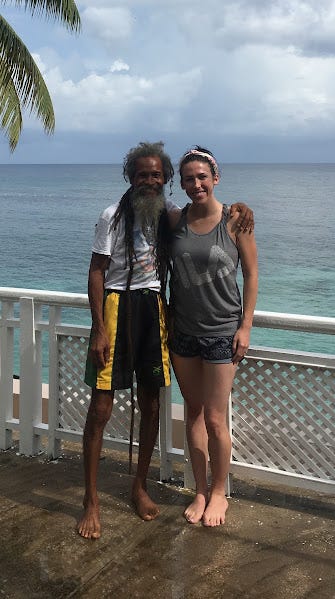
While I can only speak for myself, young/novice fitness professionals often feel like they have something to prove. I mean, why wouldn’t they? They’re being launched into a sea of hard-bodied, know-it-alls, who are all vying for the same clientele and trying to make a living while doing it. Fitness is a wild world because it’s one of the few careers where you don’t have to have a degree to be successful. A large number of followers on social media is plenty, as the algorithm will launch you into prominence without proof of real knowledge.
Regardless of how book smart you are (or aren’t), there’s a real need for practical understanding to become successful in this field. You can prescribe all the training, make every recommendation and share every resource imaginable, but if you lack the ability to empathize and meet people where they are, nothing will ever stick. (Ask 20yo me how I know.)
Here are seven core tenets of my (current) exercise philosophy.
Exercise is not an effort in suffering. Yes, it’s important to do hard things, exercise at a therapeutic level to improve fitness, and break a sweat. However, if your goal is to go into the gym, use “calorie burn” as your only metric, and crawl back out, you’re missing a key opportunity to make it stick: enjoyment. If you’re new to exercise, find the mode of exercise you actually like doing. Build the habit with enjoyable movement. As your body adapts, then you can begin to push the intensity with newfound confidence and curiosity.
Evaluate your body on what it can do, instead of what it looks like. Bodies come in all shapes, sizes, and abilities. In 2026, can we collectively decide to stop making judgments about others’ abilities based on what they look like? The next time a race, triathlon, or other recreational sporting event is in your neighborhood, go spectate and cheer others on. Be amazed at the efforts of others.
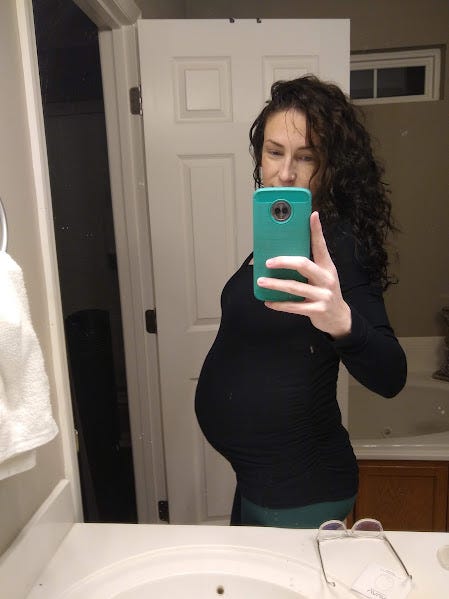
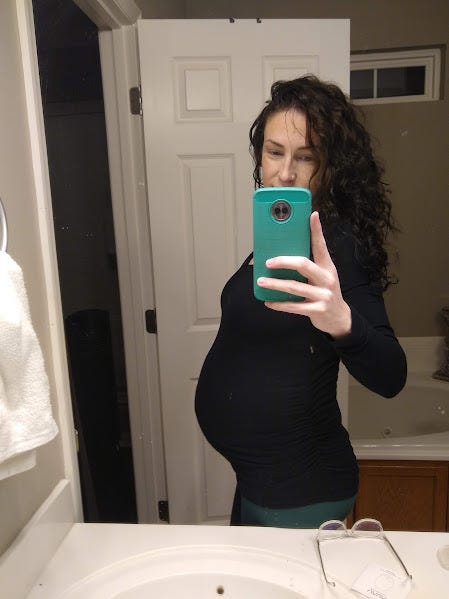
one of the last pictures I took of me + twins before my pregnancy went rogue. I taught spin until 30w Set goals that are 100% for you - not societal expectations of you. And certainly not because someone on social media said you should be doing ______. Nearly 80% of Americans fail to meet the physical activity guidelines. If you’re moving your body - even a little each day - you’re in the marginal percentage of Americans who do. So why are you setting goals to “run a 10k” when you hate running?
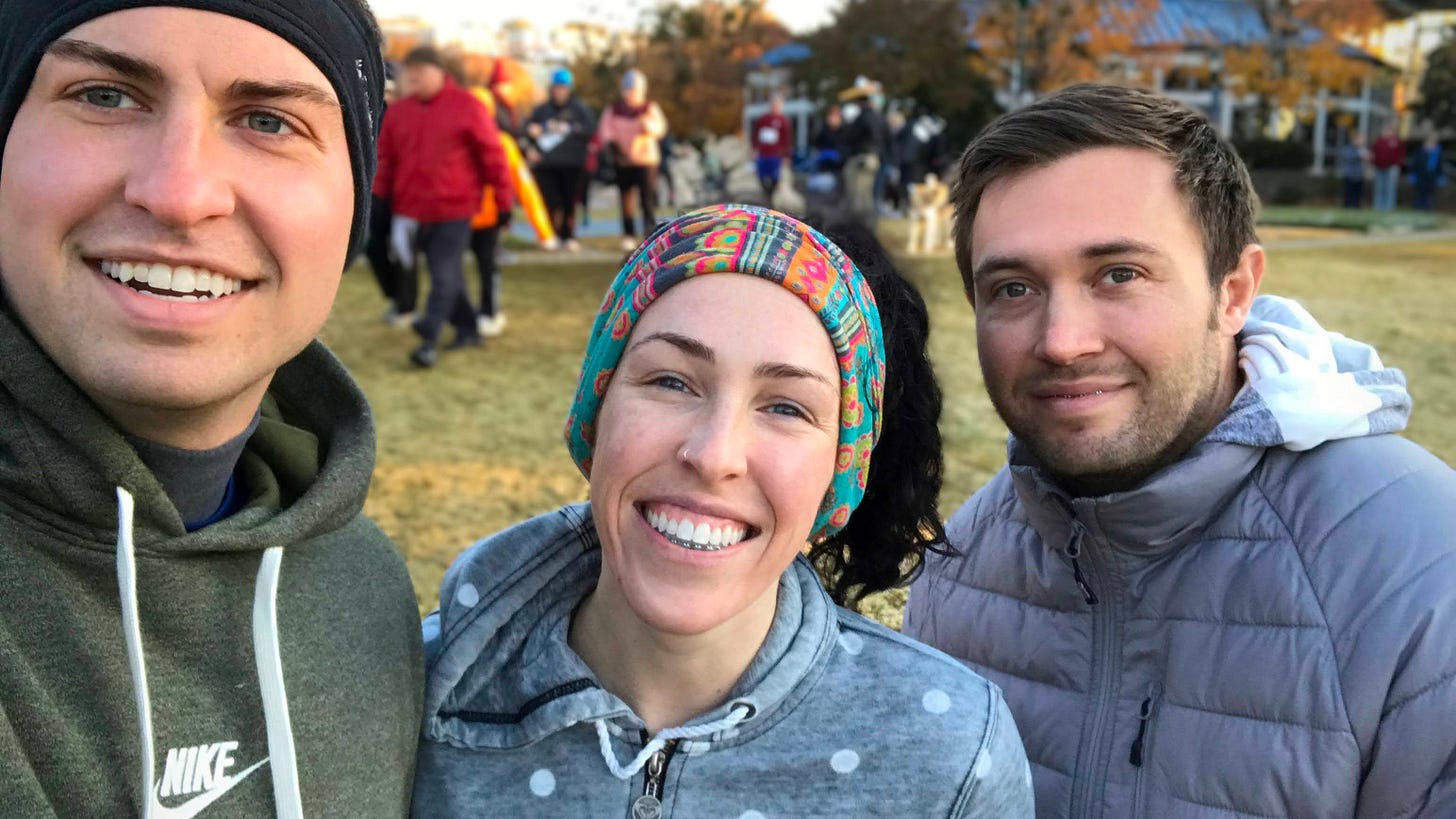
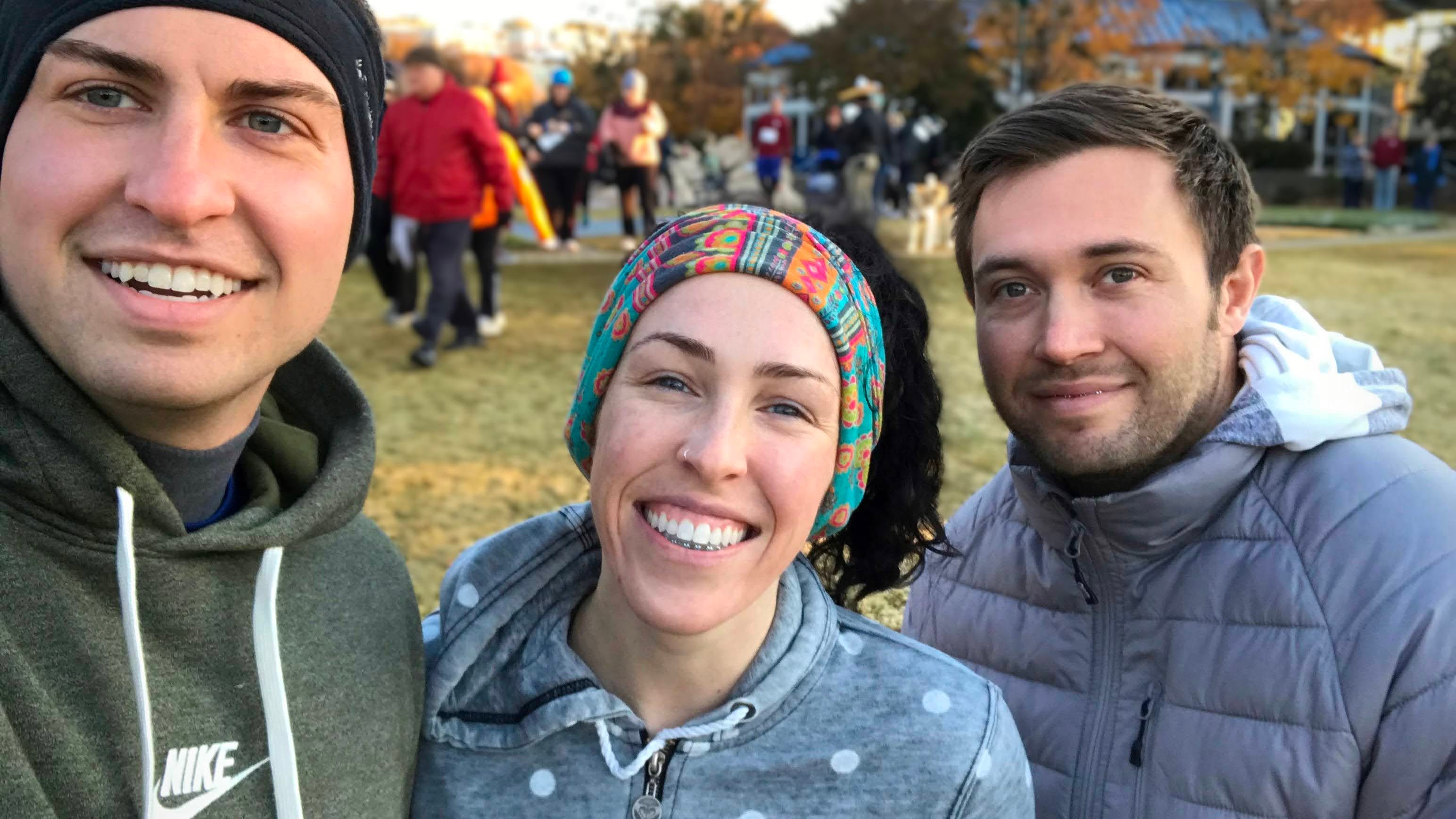
thanksgiving running, back when I hated running. now, I enjoy it. wild, right? Your routine doesn’t have to be perfect. Focus on consistency, instead. The people that you think have perfect routines, don’t. None of us do because we are living life and doing the best we can. What us fitness folks do have on our side is consistency. We’ve cultivated a lifestyle of movement, so that on days we can’t get the workout done, we’ve moved in other ways instead. Make movement work for you, then repeat, forever.
You become what you believe. Belief fosters self-efficacy, which is the confidence you have within yourself to do what you set out to do. Without those two things, doubt creeps in and derails your plans. Cultivate a healthy identity with self-kindness as your guide. Believe it or not, it can improve your fitness outcomes.
You get to choose what you prioritize. Friend, listen to me (as I listen to myself): You can’t do it all. And, honestly? That should be glorious news. Permission to let. it. go. Pick what you want to prioritize for your health. Once you establish that priority as a routine habit in your life, then add something else to the mix. You can change your priorities as life throws you curve balls. There should be zero guilt and zero shame for adapting your fitness to work within the parameters of your life.
Don’t compromise your mental health for the sake of your physical health. See points 3, 5 and 6. If you set unrealistic goals and attempt to do all the things, all the time, you’ll likely accomplish nothing. Optimal physical health becomes null and void if your mental health tanks as a result. Sometimes, the goal is equilibrium rather than optimization. Check in with yourself, or have a trusted friend speak truth if they notice a shift in your mental well-being.
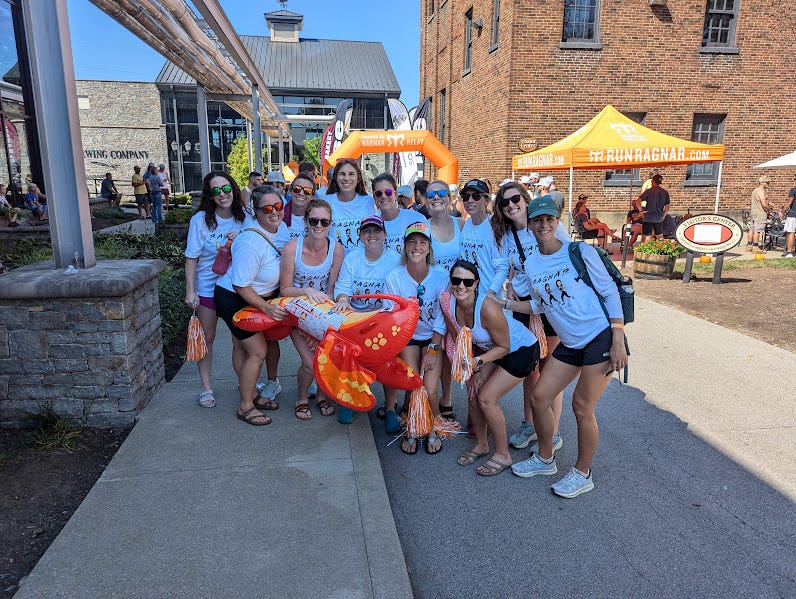
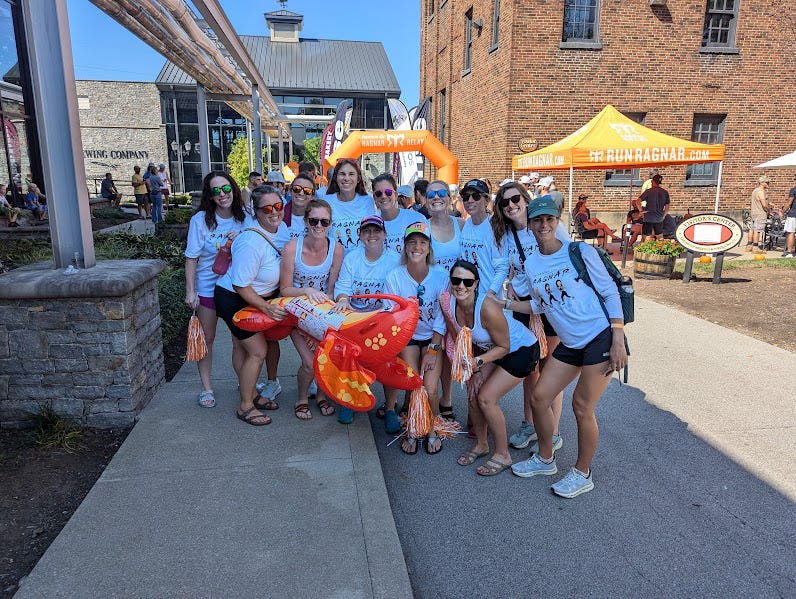
first Ragnar, which became the catalyst for other adventures in running
My 20 year old self was focused on thinness, the opinions of others, and looking the part. My (almost) 40 year old self is focused on a functional body that is up for spontaneous adventure, nourishing movement, and sustaining itself through the next 40 years.
Kind fitness is sustainable fitness.
How can you re-evaluate your current beliefs about exercise through the lens of realistic, enjoyable movement?
Simply Fit is a free newsletter that focuses on simple living and practical fitness in pursuit of a less complicated + more meaningful life. Subscribe below to add some intention to your inbox.